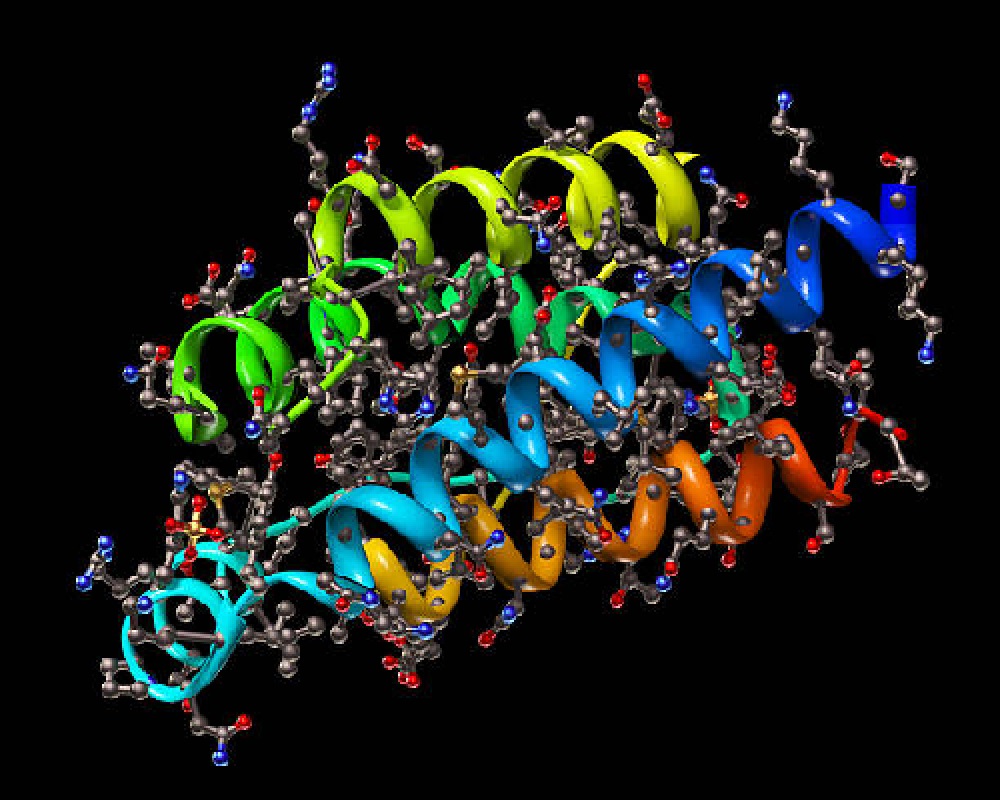
Enzymes can have various effects on the skin, both positive and negative. Here are some examples:
- Exfoliation: Enzymes such as papain (from papaya) and bromelain (from pineapple) can break down the proteins that hold dead skin cells together, resulting in gentle exfoliation of the skin. This can improve skin texture and radiance.
- Anti-inflammatory: Enzymes such as superoxide dismutase and catalase have antioxidant properties and can help reduce inflammation in the skin. This can be beneficial for conditions such as acne, rosacea, and eczema.
- Moisturization: Enzymes such as hyaluronidase can break down hyaluronic acid, a natural moisturizing factor in the skin. This can increase hydration levels in the skin and improve the appearance of fine lines and wrinkles.
- Irritation: Enzymes can also cause irritation and sensitization of the skin, especially if they are used in high concentrations or if the skin is already compromised. For example, protease enzymes such as trypsin and chymotrypsin can break down skin proteins, leading to redness, itching, and inflammation.
In summary, enzymes can have a range of effects on the skin, and their impact depends on various factors such as the type of enzyme, concentration, and individual skin type and condition. It’s important to use products containing enzymes carefully and as directed, and to discontinue use if any irritation or sensitivity occurs.