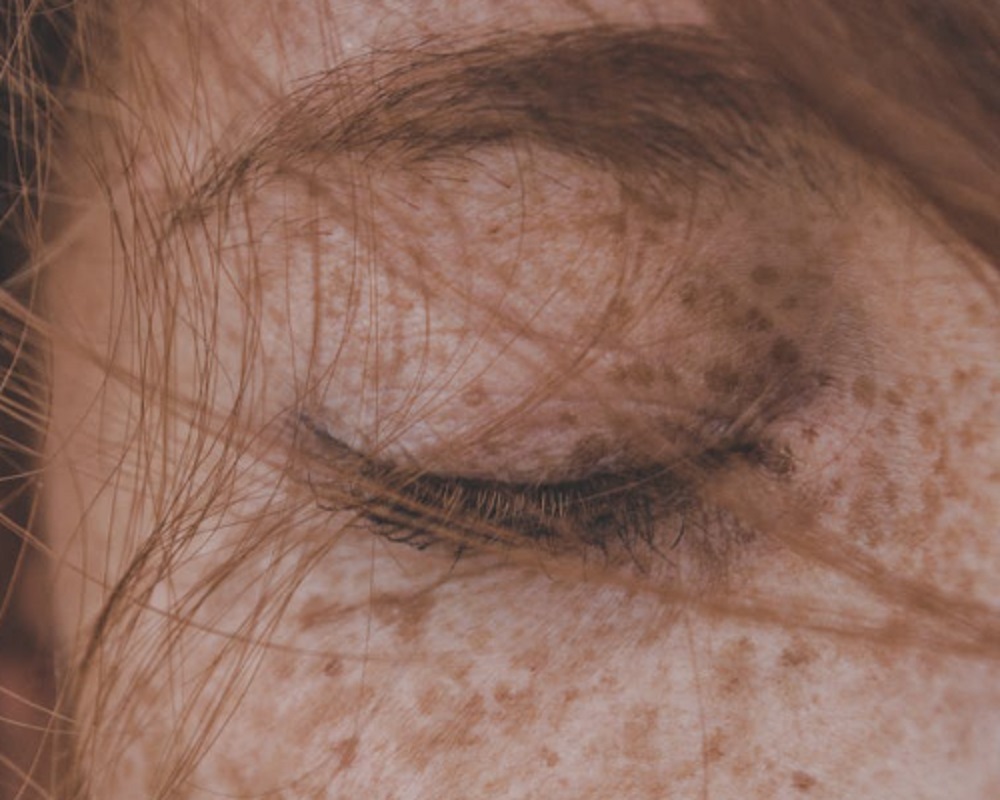
Dealing with textured skin can be a common concern for many people. Whether you have acne scars, enlarged pores, rough patches, or uneven skin tone, there are several tips you can follow to help improve the texture of your skin. Here are some of the best tips to handle textured skin:
- Cleanse gently: Use a mild, non-abrasive cleanser to wash your face twice a day. Avoid using harsh scrubs or rough exfoliants, as they can further irritate the skin and make texture issues worse.
- Exfoliate regularly: Incorporate gentle exfoliation into your skincare routine to remove dead skin cells and promote cell turnover. Choose chemical exfoliants such as AHAs (alpha hydroxy acids) or BHAs (beta hydroxy acids) that are suitable for your skin type. Start with a lower concentration and gradually increase as your skin adjusts.
- Hydrate your skin: Proper hydration is essential for maintaining healthy skin texture. Use a moisturizer that is suitable for your skin type to keep your skin hydrated and prevent dryness. Look for moisturizers containing ingredients like hyaluronic acid, ceramides, or glycerin.
- Protect your skin from the sun: Sun damage can worsen the appearance of textured skin. Apply a broad-spectrum sunscreen with at least SPF 30 every day, even during cloudy or winter days. Sunscreen helps prevent further damage and allows the skin to heal.
- Use retinoids: Retinoids, derived from vitamin A, can improve skin texture by stimulating collagen production and increasing cell turnover. Start with a low concentration retinol product and gradually increase as your skin tolerates it. Use retinoids at night and always follow up with sunscreen during the day.
- Consider professional treatments: Consult with a dermatologist or aesthetician to explore professional treatments that can address specific texture concerns. Some options may include chemical peels, microdermabrasion, laser resurfacing, or microneedling. These treatments can help improve skin texture and address deeper skin issues.
- Maintain a healthy lifestyle: A balanced diet, regular exercise, and sufficient sleep can contribute to healthier-looking skin. Consuming a nutrient-rich diet, staying hydrated, and managing stress levels can have positive effects on your skin’s texture.
- Avoid picking or squeezing: Resist the temptation to pick at blemishes or squeeze acne. This can cause further inflammation, scarring, and worsen the texture of your skin.
- Experiment with makeup techniques: Skillful makeup application can help create the illusion of smoother skin. Use primers, light-reflecting foundations, and techniques like color correction to minimize the appearance of texture irregularities.
- Be patient and consistent: Improving skin texture takes time, so be patient and consistent with your skincare routine. It may take several weeks or even months to notice significant improvements. Stick to your chosen products and treatments to allow them to work effectively.
Remember, it’s always a good idea to consult a dermatologist or skincare professional who can provide personalized advice based on your specific skin concerns and needs.